Sustainable

Image

Urban Development

Sustainable Urban Development in the context of a Quantum Intelligent Futuristic City Management System involves creating urban spaces that are environmentally responsible, economically viable, and socially inclusive. This approach seeks to balance economic growth with environmental protection and social equity.

Image

Key aspects and capabilities of our system.

Image
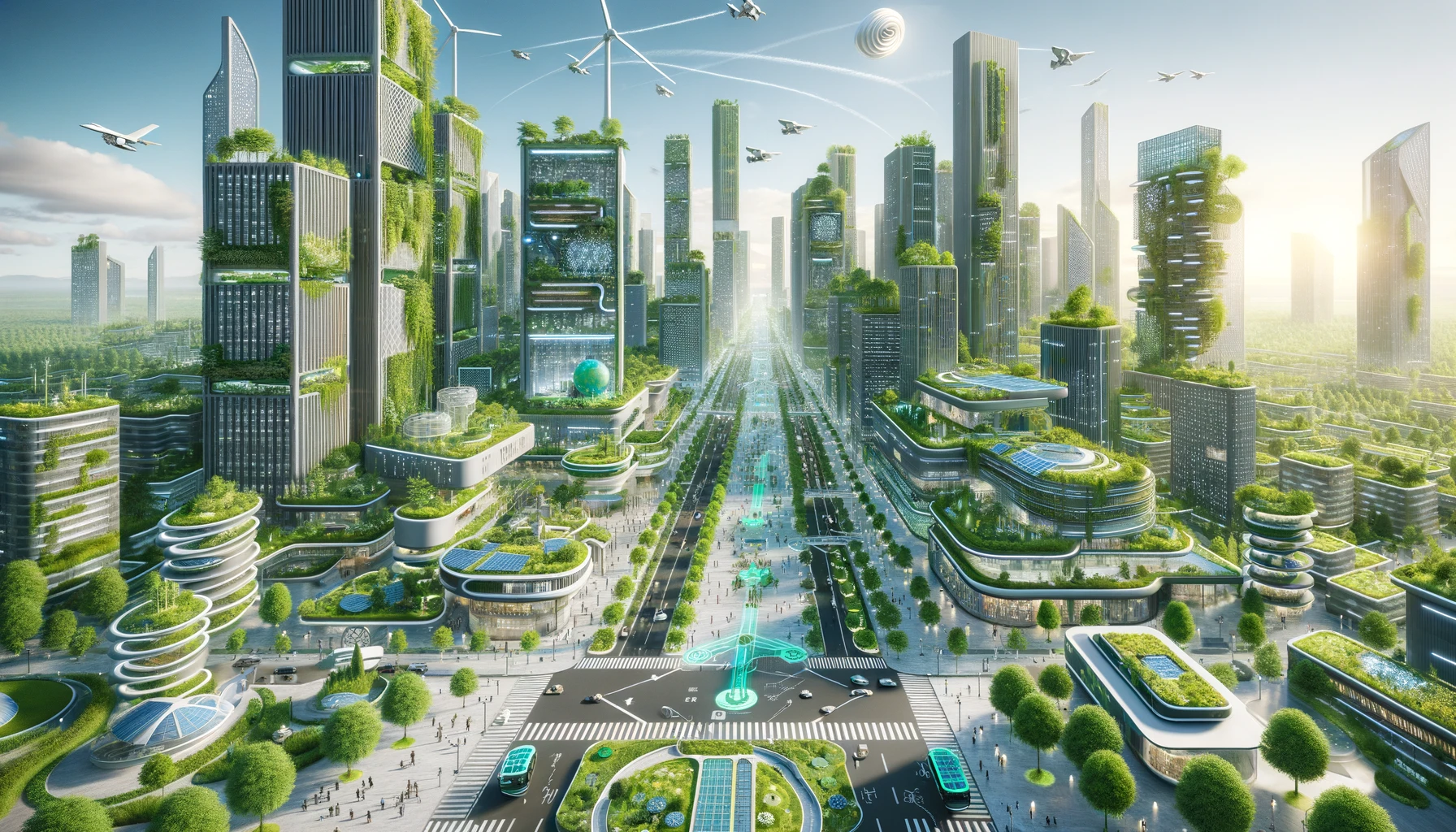
1. Green Infrastructure: Implementing eco-friendly designs in urban development, such as green roofs, rain gardens, and permeable pavements, to promote biodiversity and reduce environmental impact.
Image
A wide conceptual diagram visualizing Green Infrastructure for Sustainable Urban Development, especially in the context of a Quantum Intelligent Futuristic City Management System. The diagram should showcase a panoramic view of a futuristic cityscape with a blend of advanced buildings and extensive green infrastructure. Include elements like urban parks, green roofs, sustainable transportation systems, and renewable energy sources. These green elements should be depicted as integrated parts of the city, interconnected with smart technologies and environmental monitoring systems. Highlight features such as solar panels, wind turbines, green public spaces, and eco-friendly transportation options, emphasizing the city's commitment to sustainability and environmental responsibility. The overall design should convey a harmonious balance between urban development and nature, illustrating how futuristic cities can leverage technology for sustainable growth and improved quality of life.
Image
2. Renewable Energy Integration: Utilizing renewable energy sources like solar, wind, and geothermal power to reduce reliance on fossil fuels and decrease greenhouse gas emissions.
Image
A wide conceptual diagram visualizing Renewable Energy Integration for Sustainable Urban Development, especially in the context of a Quantum Intelligent Futuristic City Management System. The diagram should portray a panoramic view of a futuristic cityscape, integrating renewable energy sources like solar panels, wind turbines, and geothermal stations. Show these renewable sources as seamlessly integrated into the city's buildings, public spaces, and transportation systems. Depict the energy flow from these sources into the city's grid, symbolized by glowing lines or energy pulses, to emphasize the efficient and sustainable use of energy. Include elements that represent the smart management of these resources, such as AI-driven energy distribution networks and real-time monitoring systems. The overall design should convey a harmonious blend of technology and sustainability, highlighting the city's commitment to using renewable energy for a greener, cleaner future.
Image
3. Sustainable Transportation: Developing efficient public transport systems, encouraging electric and autonomous vehicles, and creating pedestrian and bicycle-friendly infrastructure to reduce carbon emissions and traffic congestion.
Image
A wide conceptual diagram visualizing Sustainable Transportation for Sustainable Urban Development, especially in the context of a Quantum Intelligent Futuristic City Management System. The diagram should portray a panoramic view of a futuristic cityscape, highlighting sustainable transportation modes like electric vehicles, autonomous public transit, and extensive cycling lanes. Show these transportation modes as integral parts of the city, interconnected with smart traffic management systems and low-emission zones. Depict the flow of traffic with clean, efficient lines, symbolizing the reduced environmental impact and enhanced mobility. Include elements like charging stations, smart traffic lights, and pedestrian-friendly pathways, emphasizing the city's commitment to reducing carbon emissions and promoting eco-friendly travel. The overall design should convey a modern, efficient, and environmentally responsible urban transportation system, aligned with the goals of sustainable urban development.
Image
4. Smart Resource Management: Employing smart technologies for efficient water, energy, and waste management, minimizing resource waste and promoting recycling and reuse.
Image
A wide conceptual diagram visualizing Smart Resource Management for Sustainable Urban Development, especially in the context of a Quantum Intelligent Futuristic City Management System. The diagram should illustrate a panoramic view of a futuristic cityscape, emphasizing smart resource management practices. Include elements such as intelligent water and energy usage systems, waste recycling facilities, and smart grid technologies. Show these systems as integrated into the city's infrastructure, with data flow lines indicating the efficient distribution and utilization of resources. Highlight features like AI-driven resource allocation, predictive analytics for demand forecasting, and real-time monitoring systems. The design should convey the concept of a city that uses advanced technologies to optimize resource consumption, reduce waste, and ensure sustainability. The overall impression should be of a city that skillfully balances technological innovation with environmental stewardship for sustainable urban living.
Image
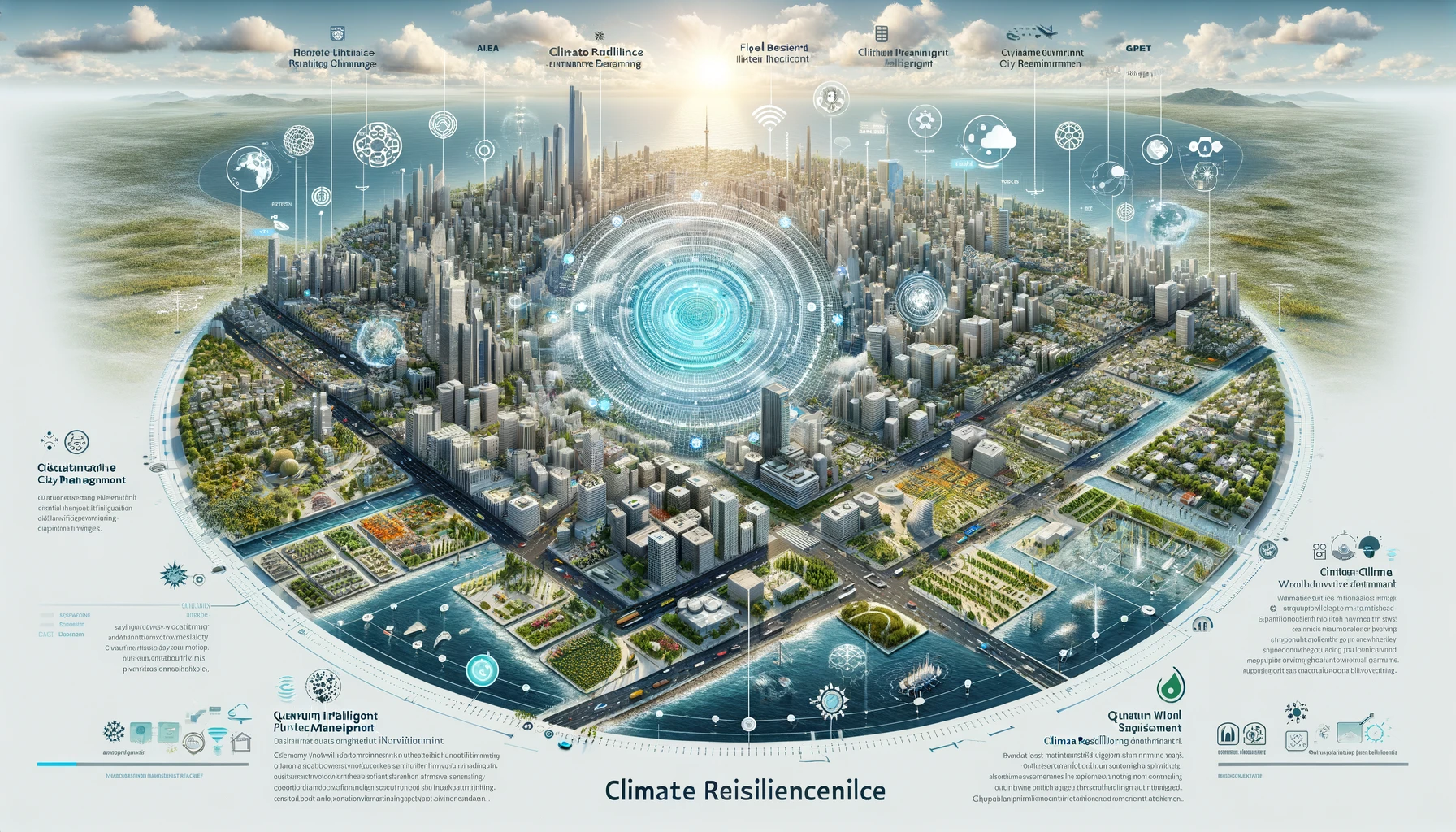
5. Climate Resilience: Designing urban spaces to withstand climate-related challenges such as flooding, heatwaves, and rising sea levels, ensuring long-term sustainability and resilience.
Image
A wide conceptual diagram visualizing Climate Resilience for Sustainable Urban Development, especially in the context of a Quantum Intelligent Futuristic City Management System. The diagram should feature a panoramic view of a futuristic cityscape, focusing on climate resilience strategies. Include elements like flood defense systems, heat-resistant building materials, urban green spaces, and resilient infrastructure. Show these elements as integrated into the city's design, with visual cues indicating their role in adapting to and mitigating the effects of climate change. Highlight adaptive technologies like advanced weather forecasting systems, emergency response networks, and sustainable urban planning practices. The design should convey the concept of a city equipped to handle various climate challenges, emphasizing the use of innovative solutions to promote sustainability and protect the urban environment against climate-related risks.
Image
6. Community Engagement and Inclusivity: Involving local communities in urban planning processes, ensuring that development projects meet the needs of all citizens, including marginalized groups.
Image
A wide conceptual diagram visualizing Community Engagement and Inclusivity for Sustainable Urban Development, especially in the context of a Quantum Intelligent Futuristic City Management System. The diagram should illustrate a panoramic view of a futuristic cityscape, emphasizing community engagement and inclusivity. Include elements like public forums, community centers, and inclusive public spaces. Show these as vibrant hubs of activity where diverse groups of people gather, collaborate, and participate in city life. Depict interactive digital platforms and social media networks as tools for community engagement, with visual connections between these platforms and the community. Highlight features such as accessible design, multicultural events, and collaborative urban projects, emphasizing the city's commitment to creating an inclusive, participatory urban environment. The design should convey the concept of a city that values and promotes the active involvement of all its citizens in shaping a sustainable and vibrant urban future.
Image
7. Economic Sustainability: Fostering a vibrant local economy through support for small businesses, local artisans, and sustainable tourism practices.
Image
A wide conceptual diagram visualizing Economic Sustainability for Sustainable Urban Development, especially in the context of a Quantum Intelligent Futuristic City Management System. The diagram should feature a panoramic view of a futuristic cityscape with elements that emphasize economic sustainability. Include aspects like green businesses, sustainable industries, local commerce, and innovation hubs. These economic elements should be depicted as integrated into the city's fabric, with connections to employment, education, and research centers. Highlight the integration of technology and innovation in driving economic growth, while maintaining environmental and social responsibility. Show visual representations of circular economy principles, green job opportunities, and smart economic policies. The overall design should convey a city that balances economic growth with sustainability, creating a resilient and prosperous urban environment for all citizens.
Image
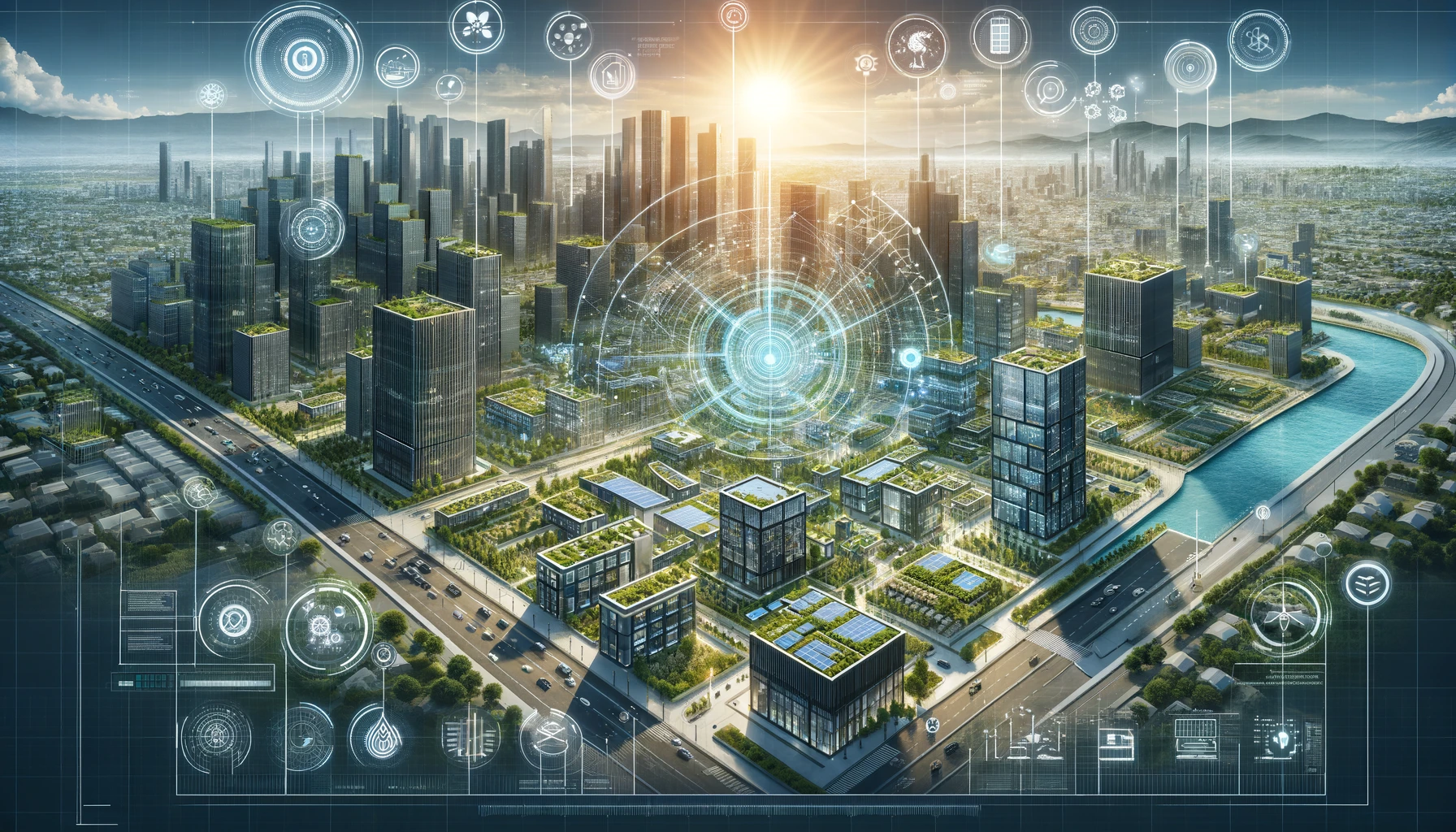
8. Data-Driven Urban Planning: Using data analytics and AI to inform urban planning decisions, ensuring that development is efficient, sustainable, and responsive to future urban needs.
Image
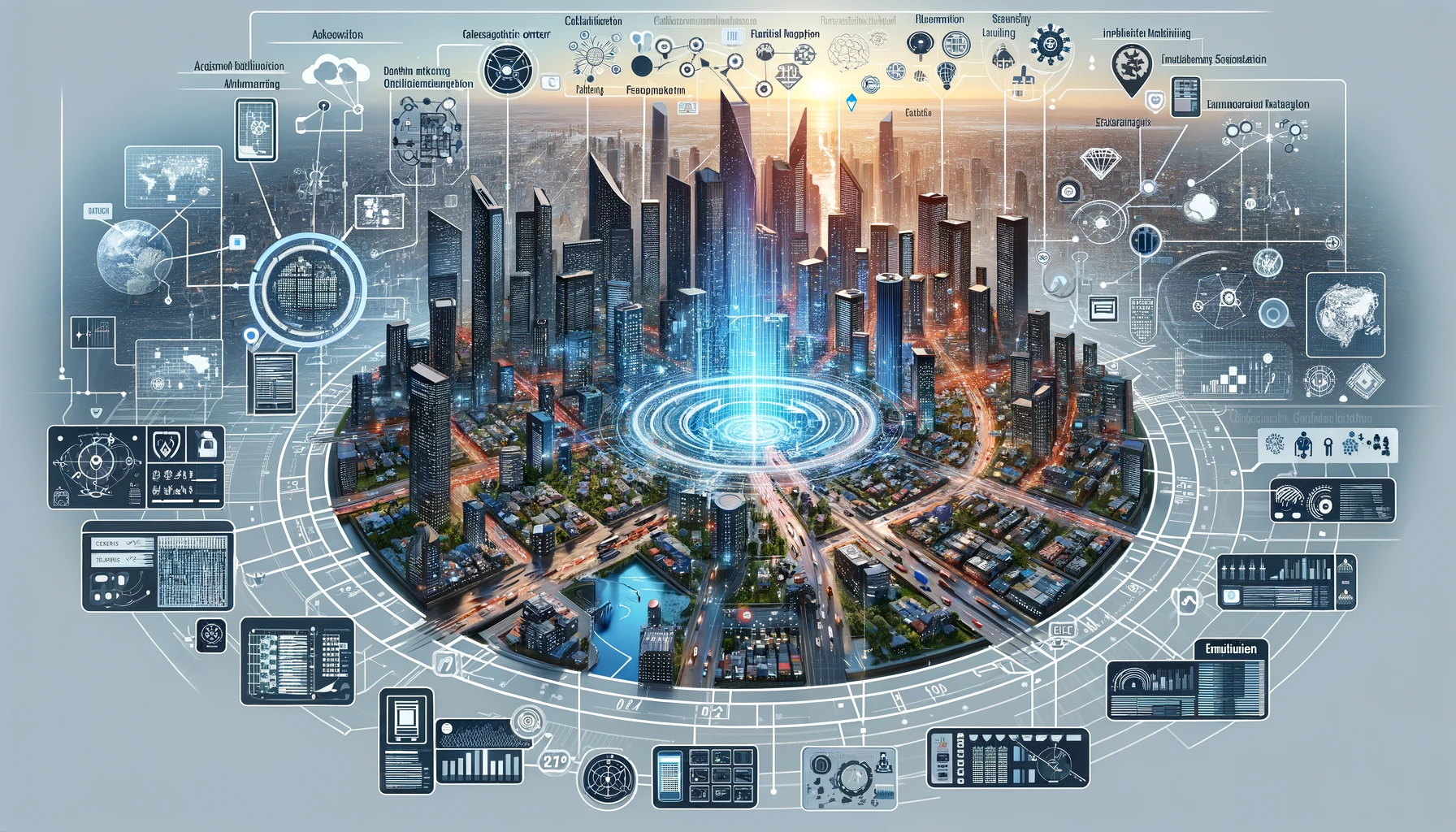
A wide conceptual diagram visualizing Data-Driven Urban Planning for Sustainable Urban Development, especially in the context of a Quantum Intelligent Futuristic City Management System. The diagram should portray a panoramic view of a futuristic cityscape, highlighting the use of data in urban planning. Include elements such as advanced data analytics centers, smart urban sensors, and interactive planning interfaces. Show these elements as integral parts of the urban planning process, interconnected with various city aspects like transportation, housing, and environmental management. Depict the flow of data between these elements, symbolizing the collection, analysis, and application of data for informed decision-making. Emphasize features such as predictive modeling, real-time monitoring, and citizen feedback integration in the planning process. The overall design should convey the concept of a city that utilizes cutting-edge data technologies to plan and develop sustainably and responsively to the needs of its citizens and the environment.
Image
9. Preservation of Cultural and Historical Heritage: Integrating cultural heritage conservation into urban development, preserving the identity and history of the city.
Image
A wide conceptual diagram visualizing Preservation of Cultural and Historical Heritage for Sustainable Urban Development, especially in the context of a Quantum Intelligent Futuristic City Management System. The diagram should feature a panoramic view of a futuristic cityscape, integrating modern buildings with preserved historical and cultural landmarks. Show these landmarks as cherished parts of the city, connected with contemporary structures through smart conservation technologies and cultural corridors. Include elements like digital archives, interactive museums, and virtual reality experiences that bring historical heritage to life for citizens and visitors. Highlight the integration of traditional architecture with modern design, symbolizing the city's respect for its past while embracing the future. The design should convey the importance of preserving cultural and historical heritage within a sustainable and evolving urban landscape, demonstrating a balance between innovation and tradition.
Image
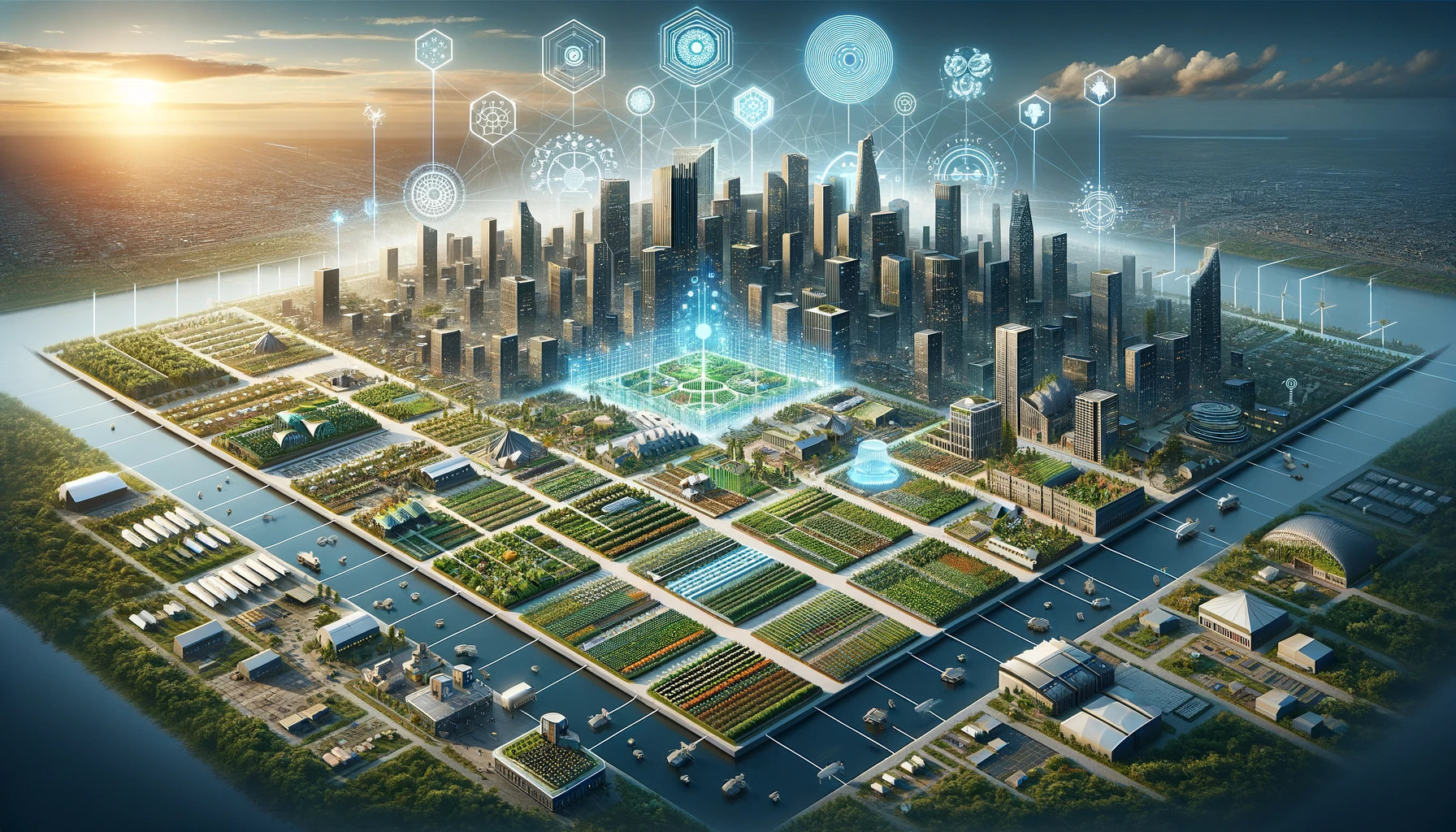
10. Urban Agriculture: Promoting urban agriculture practices like community gardens and rooftop farms to enhance food security and reduce the environmental impact of food production
Image
A wide conceptual diagram visualizing Urban Agriculture for Sustainable Urban Development, especially in the context of a Quantum Intelligent Futuristic City Management System. The diagram should depict a panoramic view of a futuristic cityscape with integrated urban agriculture elements. Include features like rooftop gardens, vertical farming structures, and community agricultural spaces. Show these agricultural elements as seamlessly integrated into the urban environment, interconnected with residential and commercial areas. Highlight the use of smart farming technologies, such as AI-driven irrigation systems, sustainable crop management, and efficient space utilization. Emphasize the benefits of urban agriculture, like local food production, reduced carbon footprint, and enhanced community well-being. The overall design should convey a city that incorporates green spaces and sustainable farming practices into its fabric, promoting environmental health and food security within an advanced urban setting.
Image
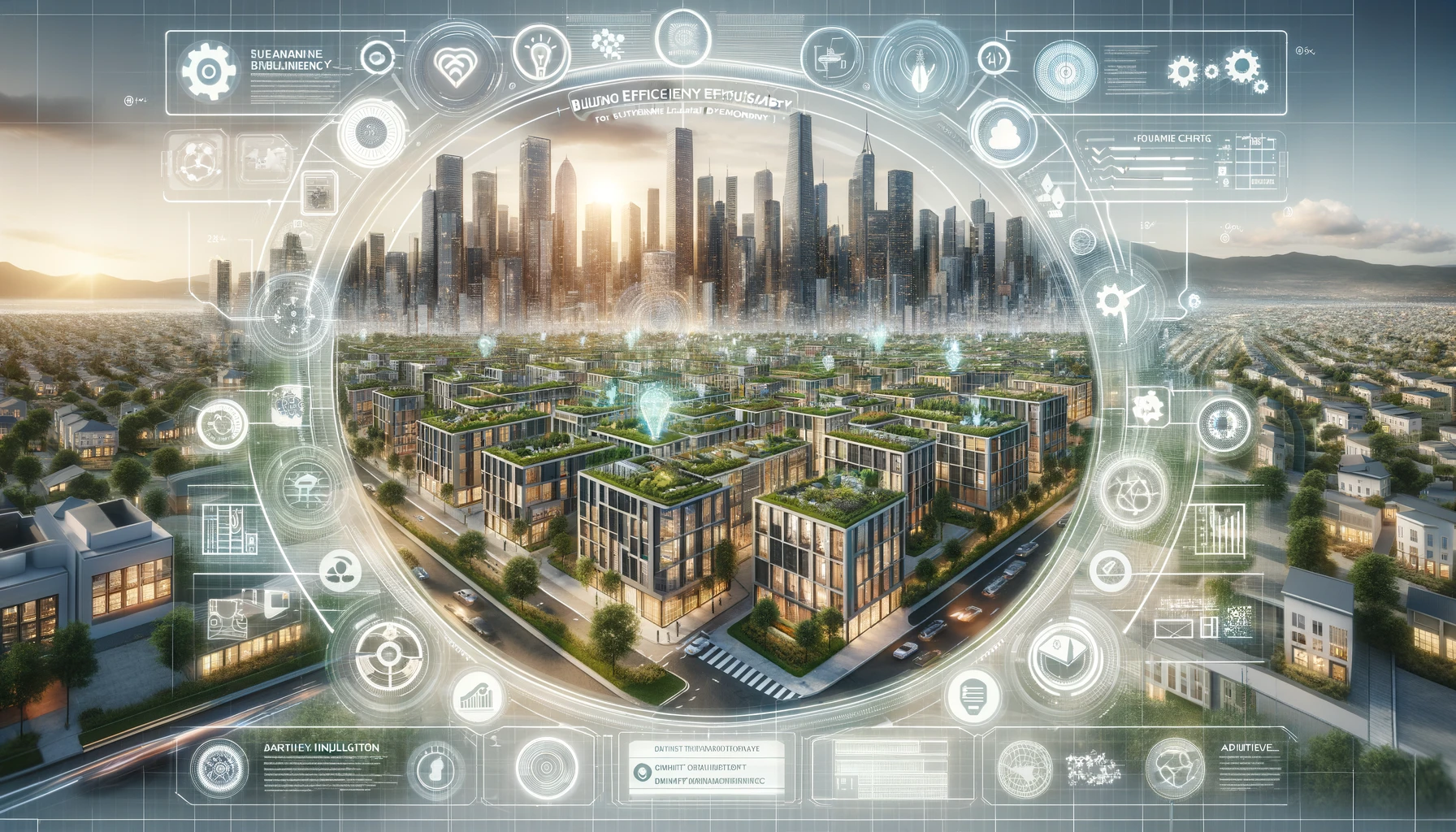
11. Building Efficiency: Constructing and retrofitting buildings to be more energy-efficient, using sustainable materials and technologies to reduce the overall ecological footprint of the urban environment.
Image
A wide conceptual diagram visualizing Building Efficiency for Sustainable Urban Development, especially in the context of a Quantum Intelligent Futuristic City Management System. The diagram should feature a panoramic view of a futuristic cityscape, focusing on energy-efficient and sustainable building designs. Include elements like green roofs, solar panels, energy-efficient windows, and smart HVAC systems. Show these features as integrated into the architecture of the buildings, contributing to the overall energy efficiency of the city. Highlight the use of advanced materials and technologies in construction, such as adaptive insulation and renewable energy sources. Emphasize the role of smart building management systems in optimizing energy use and reducing the environmental impact. The overall design should convey a city that prioritizes building efficiency as a key aspect of sustainable urban development, showcasing a harmonious blend of modern design and environmental stewardship.
Image
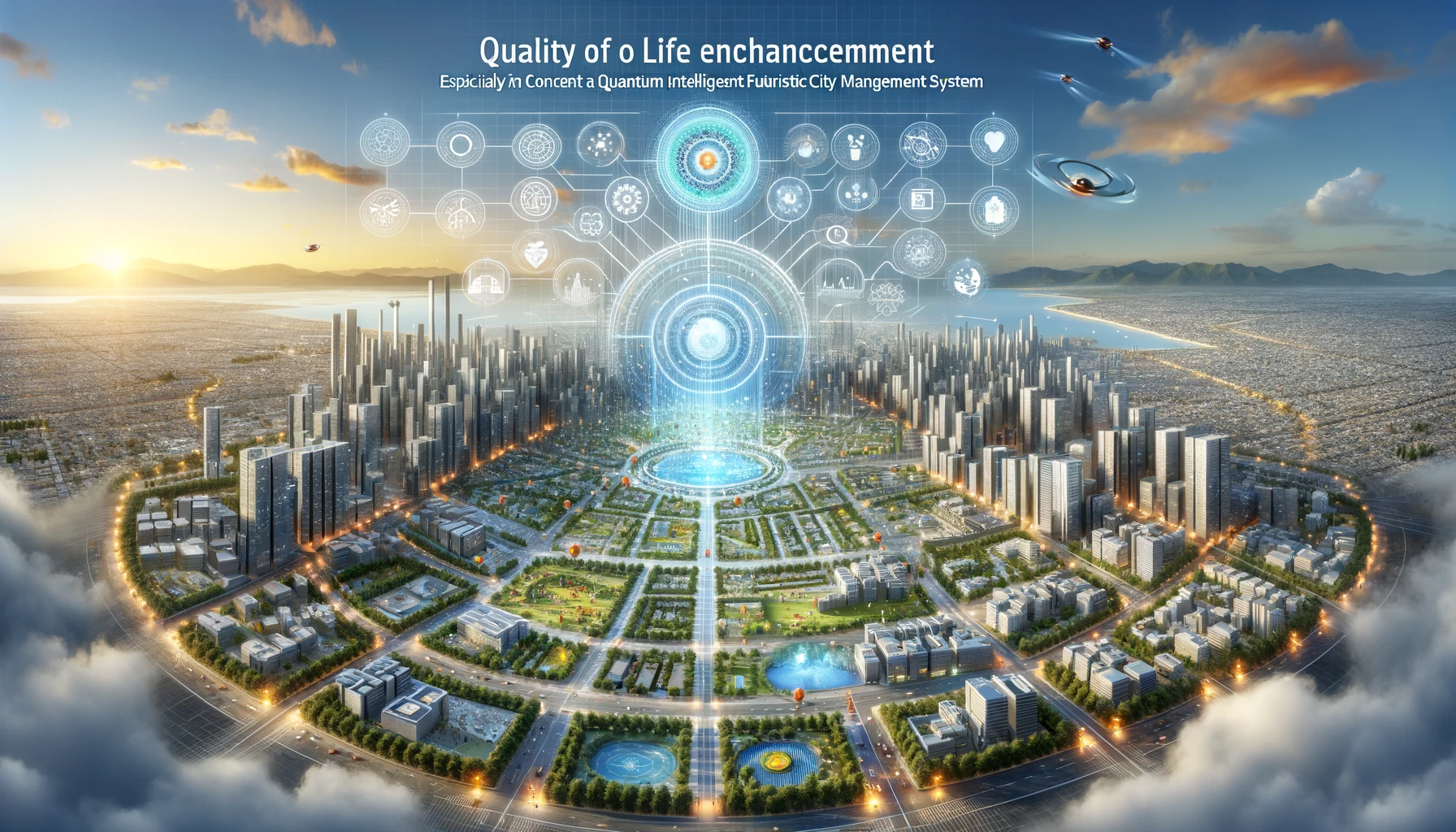
12. Quality of Life Enhancement: Creating urban spaces that promote health, well-being, and a high quality of life for all residents, including access to green spaces, recreational areas, and essential services.
Image
A wide conceptual diagram visualizing Quality of Life Enhancement for Sustainable Urban Development, especially in the context of a Quantum Intelligent Futuristic City Management System. The diagram should depict a panoramic view of a futuristic cityscape, focusing on elements that enhance the quality of life for its residents. Include features such as green public spaces, recreational facilities, health and wellness centers, and cultural venues. Show these elements as integral parts of the city, contributing to the well-being and happiness of its inhabitants. Highlight the integration of technology in enhancing these aspects, such as smart public amenities, accessible healthcare services, and vibrant cultural hubs. Emphasize the importance of community, environmental health, and cultural richness in creating a livable and joyful urban environment. The overall design should convey a city that not only focuses on sustainability but also prioritizes the happiness and well-being of its people, creating a harmonious and fulfilling urban life.

Let's work together